
Introduction
Low calorie protein powder has emerged as a popular supplement for those seeking to enhance their dietary intake while managing their calorie consumption. It serves as an excellent source of high-quality protein without the excess calories typically associated with many protein products. This makes it especially appealing to individuals aiming for weight loss or muscle maintenance, as it provides essential nutrients without compromising on caloric goals. In this article, we will delve deep into what low calorie protein powder is, its benefits, how to incorporate it into your diet, and key factors to consider when choosing the right product for your needs.
Understanding Low Calorie Protein Powder
What is Low Calorie Protein Powder?
Low calorie protein powder is a dietary supplement designed to deliver a concentrated source of protein with minimal calories. Typically derived from sources such as whey, casein, soy, or plant-based ingredients, these powders provide the essential amino acids necessary for muscle repair and growth. Unlike traditional protein powders that may contain added sugars and fats, low calorie variants focus on purity and efficiency, making them ideal for fitness enthusiasts and individuals on calorie-restricted diets.
Why Choose Low Calorie Protein Powder?
The primary appeal of low calorie protein powder lies in its ability to support weight management and muscle preservation. For those looking to lose weight, maintaining a high protein intake can aid in satiety, reducing the likelihood of snacking on high-calorie foods. Furthermore, protein is critical for muscle recovery post-exercise, which is especially important for those engaging in regular training. By choosing a low calorie option, individuals can enjoy the benefits of protein without exceeding their daily caloric limits.
Benefits of Low Calorie Protein Powder
Aids in Weight Management
One of the most significant benefits of low calorie protein powder is its role in weight management. Studies have shown that high protein diets can increase feelings of fullness and reduce overall calorie intake. This is particularly beneficial for those looking to shed excess weight while ensuring they are still meeting their protein needs. When consumed as part of a balanced diet, low calorie protein powder can help create a calorie deficit, which is essential for weight loss.
Supports Muscle Recovery and Growth
Protein is crucial for muscle repair and growth, especially after intense physical activity. Low calorie protein powders provide a convenient and efficient way to replenish protein stores without adding unnecessary calories. This is particularly beneficial for athletes and fitness enthusiasts who require adequate protein to support their performance and recovery. By incorporating low calorie protein powder into post-workout nutrition, individuals can enhance muscle recovery and promote lean muscle mass.
How to Incorporate Low Calorie Protein Powder into Your Diet
Shakes and Smoothies
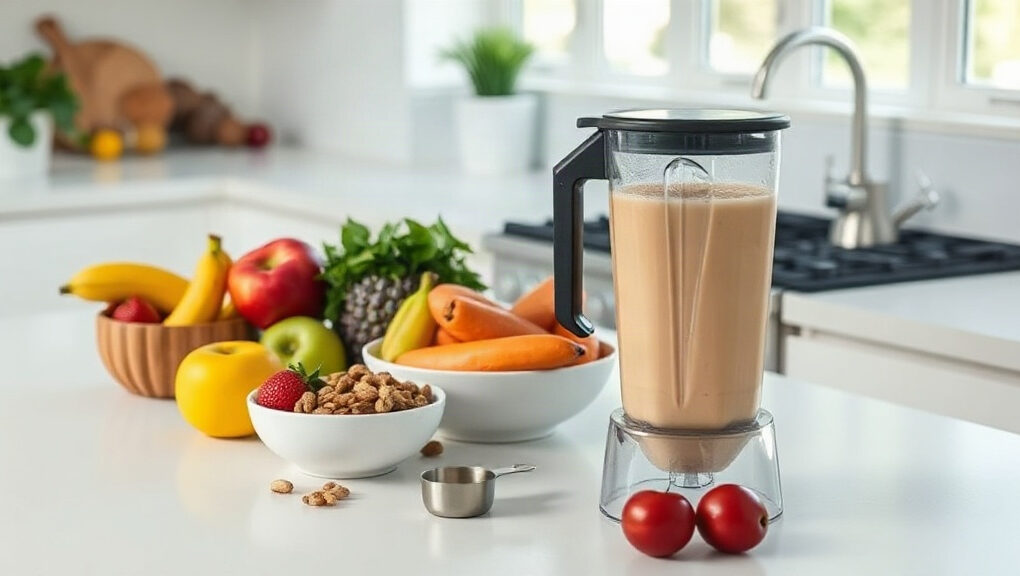
One of the most popular ways to consume low calorie protein powder is by mixing it into shakes or smoothies. This method not only enhances the protein content of your drink but also allows for the addition of other nutritious ingredients such as fruits, vegetables, and healthy fats. For instance, blending low calorie protein powder with spinach, almond milk, and a banana can create a delicious and nutrient-rich smoothie that supports your dietary goals.
Baking and Cooking
Low calorie protein powder can also be used in various recipes, from protein-packed pancakes to baked goods. By substituting a portion of flour with protein powder in recipes, you can boost the protein content without significantly increasing calories. This approach is particularly useful for individuals who enjoy baking but want to maintain a healthy lifestyle. Additionally, incorporating protein powder into savory dishes, such as soups or sauces, can enhance the nutritional profile of your meals.
Key Considerations When Choosing Low Calorie Protein Powder
Protein Source
When selecting a low calorie protein powder, it’s essential to consider the source of protein. Different protein sources offer varying amino acid profiles, which can affect their effectiveness in supporting muscle growth and recovery. Whey protein is a complete protein and is quickly absorbed, making it an excellent choice for post-workout recovery. On the other hand, plant-based proteins may cater to those with dietary restrictions or preferences. Ensure that the protein powder you choose aligns with your dietary needs and fitness goals.
Ingredient Quality
Quality matters when it comes to protein powders. Look for products with minimal ingredients and no added sugars or artificial additives. Ideally, the protein powder should be third-party tested to confirm its purity and effectiveness. Reading reviews and researching brands can help you make an informed decision and ensure you’re consuming a product that is both safe and effective.
FAQ
What is the ideal time to consume low calorie protein powder?
The timing of protein intake can influence muscle recovery and growth. Consuming low calorie protein powder post-workout is highly recommended, as this is when your muscles need nutrients the most. However, it can also be beneficial to consume it throughout the day, especially if you struggle to meet your protein needs through whole foods. For optimal results, aim to distribute your protein intake evenly across meals.
Can low calorie protein powder replace meals?
While low calorie protein powder can be used as a meal supplement, it’s not recommended to replace whole meals entirely. Whole foods provide essential vitamins, minerals, and fiber that protein powders lack. However, you can use low calorie protein powder as a part of a balanced meal or as a snack to help meet your protein requirements while keeping calories in check. If you’re considering meal replacement, ensure it is properly balanced to avoid nutrient deficiencies.
Is low calorie protein powder safe for everyone?
Generally, low calorie protein powders are safe for most individuals; however, those with specific health conditions or dietary restrictions should consult a healthcare professional before adding them to their diet. People with allergies to dairy, soy, or other protein sources should opt for alternatives that suit their needs. Pregnant or breastfeeding women should also seek advice from a healthcare provider regarding their protein intake.
How much protein do I need daily?
The daily protein requirement varies based on factors such as age, sex, activity level, and overall health. On average, adults should aim for about 0.8 grams of protein per kilogram of body weight. However, athletes or individuals engaging in intense training may require more, typically between 1.2 to 2.0 grams per kilogram. Assessing your individual needs can help tailor your protein intake effectively.
Can I use low calorie protein powder for weight loss?
Yes, low calorie protein powder can be a valuable tool for weight loss. By providing high-quality protein with fewer calories, it helps keep you full longer, potentially reducing overall calorie consumption. Additionally, incorporating protein powder into your diet can assist in maintaining muscle mass while losing fat, making it a beneficial addition to a weight loss strategy.
Are there any side effects associated with low calorie protein powder?
While low calorie protein powders are generally safe, some individuals may experience digestive discomfort, especially if they are lactose intolerant or sensitive to certain ingredients. Consuming protein powder in moderation and choosing high-quality options can help minimize any potential side effects. If you encounter persistent issues, consulting a healthcare professional is advisable.
Can I mix low calorie protein powder with non-dairy milk?
Absolutely! Mixing low calorie protein powder with non-dairy milk, such as almond, soy, or oat milk, is an excellent choice for those who are lactose intolerant or following a vegan diet. Non-dairy milk can enhance the flavor and nutritional profile of your protein shake, making it a delicious and healthy option. Experiment with different non-dairy milk types to find your preferred combination.
How can I enhance the taste of low calorie protein powder?
Enhancing the taste of low calorie protein powder can be achieved through various methods. Adding natural flavorings such as vanilla extract, cocoa powder, or cinnamon can improve its palatability. Additionally, blending the powder with fruits, such as bananas or berries, can create a more enjoyable flavor profile. Sweeteners like stevia or monk fruit can also be used if you prefer a sweeter taste without the extra calories.
Is it necessary to cycle protein powder intake?
There is no scientific evidence suggesting the need to cycle protein powder intake. However, some individuals may choose to take breaks from supplementation to assess their dietary needs or preferences. It is essential to monitor your overall protein intake, whether from supplements or whole foods, to ensure you are meeting your nutritional requirements effectively.
Conclusion
Low calorie protein powder offers a convenient and effective way to boost protein intake without exceeding calorie goals. By understanding its benefits, how to incorporate it into your diet, and what to look for when choosing a product, you can enhance your health and fitness journey significantly. Whether you are aiming for weight loss, muscle gain, or simply seeking to maintain a balanced diet, low calorie protein powder can be a valuable addition to your nutritional arsenal. Remember to choose high-quality products, consume them mindfully, and always consult with a healthcare professional if you have any specific dietary concerns.
Sources
Gorissen, S. H. M., & van Loon, L. J. C. (2017). The impact of protein quantity and quality on the adaptive response to resistance exercise in older men. Ageing Research Reviews.
Paddon-Jones, D., & Leidy, H. (2014). The importance of protein in weight loss and maintenance. American Journal of Clinical Nutrition.
Phillips, S. M., & Van Loon, L. J. (2011). Dietary protein for athletes: From requirements to metabolic advantage. Applied Physiology, Nutrition, and Metabolism.


